


Healthcare is changing fast. Hospitals and clinics are now using digital systems to store patient records, manage appointments, and improve treatment. One of the biggest reasons behind this change is Cloud Computing in Healthcare. It helps healthcare providers work faster, save money, and deliver better care to patients.
At the same time, moving data to the cloud also comes with challenges. Security, privacy, and lack of skilled staff are common concerns. To make the right decision, it is important to understand both the benefits and risks of using cloud technology in healthcare.
What Is Cloud Computing in Healthcare?
Cloud Computing in Healthcare means storing and managing medical data on online servers instead of local computers or hospital servers. Doctors, nurses, and staff can access patient information through secure internet-based systems.
This makes daily tasks easier and improves coordination between departments. Many healthcare organizations start by learning basic concepts through cloud computing essentials before fully switching their systems to the cloud.
Benefits of Cloud Computing in Healthcare
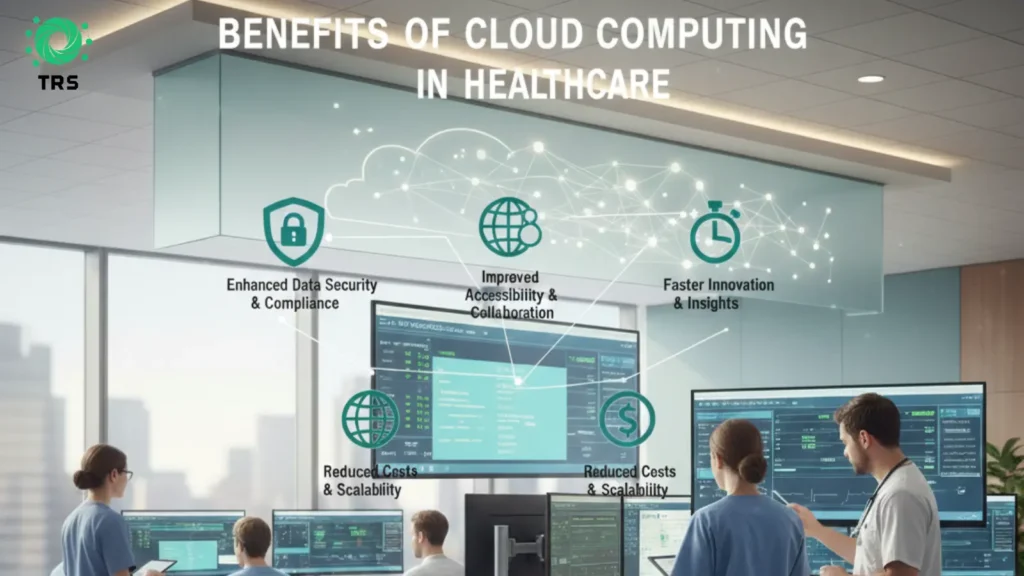
Reduced costs
Running traditional IT systems is expensive. Hospitals need to buy servers, maintain them, and update software regularly. Cloud Computing in Healthcare reduces these costs because organizations only pay for what they use.
There is no need for a large upfront investment, which allows healthcare providers to spend more on patient care, staff training, and better medical equipment. Similar cost efficiencies are seen in other industries as well, where the Benefits of cloud computing in banking highlight how cloud technology helps organizations reduce operational expenses and manage resources more effectively.
Increased accessibility of patient data
Doctors often need quick access to patient records, especially in emergencies. Cloud systems allow authorized staff to view patient data anytime and from any location.
This helps improve diagnosis and treatment decisions. It also supports telemedicine and remote consultations, which have become more common in recent years. Cloud Computing in Healthcare ensures that patient information is available when it is needed the most.
Tightened security
Many people think cloud systems are less secure, but in reality, they often offer better protection. Cloud service providers use strong security tools such as data encryption and access control.
Cloud Computing in Healthcare allows hospitals to keep patient data protected through regular system updates and monitoring. When used correctly, cloud security can be stronger than older local systems.
Improved patient experience
Patients expect fast and simple healthcare services. Cloud-based systems help hospitals manage appointments, records, and communication more smoothly.
With Cloud Computing in Healthcare, patients experience shorter waiting times and better coordination between healthcare teams. Digital access to records also makes patients feel more involved in their own care.
Enabled AI and ML
Advanced technologies like artificial intelligence and machine learning need strong computing power. Cloud platforms provide this power without expensive hardware.
Cloud Computing in Healthcare supports tools that help doctors detect diseases early, analyze patient data, and improve treatment planning. This leads to better medical outcomes and smarter healthcare systems.
Risks of Cloud Computing in Healthcare
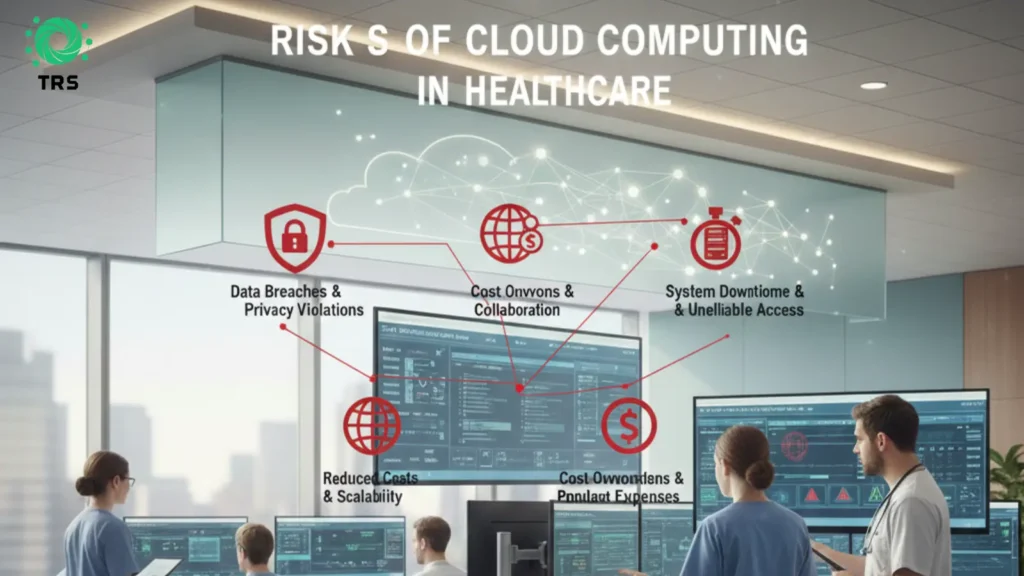
Lack of experts
One major challenge is the shortage of skilled professionals. Managing cloud systems requires technical knowledge, which many healthcare organizations lack.
Without proper expertise, systems may not be set up correctly. To solve this issue, many healthcare providers work with cloud specialists or invest in staff training.
Security risks
Although cloud systems are secure, mistakes can still happen. Weak passwords, poor access control, or system misconfiguration can lead to data breaches.
Cloud Computing in Healthcare needs regular security checks and clear rules about who can access patient data. Strong policies help reduce these risks.
Change management
Switching to cloud systems can be difficult for staff who are used to old processes. Lack of training or resistance to change can slow down adoption.
Healthcare organizations must guide employees through the transition. Proper training and step-by-step implementation make Cloud Computing in Healthcare more successful.
Privacy and compliance
Healthcare data is very sensitive. Laws and regulations require strict protection of patient information.
Cloud Computing in Healthcare must follow data privacy rules to avoid legal issues. Organizations need to choose cloud providers that meet healthcare compliance standards and regularly review their data practices.
Conclusion
Cloud Computing in Healthcare offers many advantages, including lower costs, easy access to patient data, better security, and improved patient care. It also supports modern technologies like AI, which are shaping the future of healthcare. However, risks such as security concerns, lack of experts, and privacy issues must be handled carefully. With proper planning and the right support, healthcare organizations can use cloud technology safely and effectively. When used wisely, Cloud Computing in Healthcare helps hospitals and clinics work better, care for patients more efficiently, and prepare for the future of digital healthcare.