

Finding the right tech partner is one of the most important decisions for any company planning a long-term digital product. Whether you are building a SaaS platform, mobile application, automation system, CRM, or an enterprise-level solution, the team behind your software will eventually shape your success. A long-term technology relationship affects development speed, product quality, scalability, security, innovation and even future maintenance cost.
Yet, choosing the perfect partner is not as simple as scrolling through a list of agencies. Some companies appear professional at first but struggle with deadlines. Others code well but lack communication. A few over-promise and under-deliver. And in long-term projects, where updates never stop, these issues become expensive mistakes.
This guide will help you evaluate a tech partner realistically. By the end, you will know exactly what to check, what questions to ask, how to compare vendors, and how to select a technology partner you can trust for years.
Understanding Why Your Tech Partner Matters
A tech partner does much more than writes code. They help you shape and refine the product, make technical decisions, manage architecture, ensure security and improve performance as the platform grows. In a long-term relationship, your development team becomes an extension of your business.
A strong tech partner contributes to:
• Faster product development and iterations
• Better UX and feature planning
• Reduced bugs and technical debt
• Long-term maintenance and updates
• Market-aligned improvements
• Cost-efficient development cycles
When the partner is wrong, problems multiply. When the partner is right, growth becomes smooth.
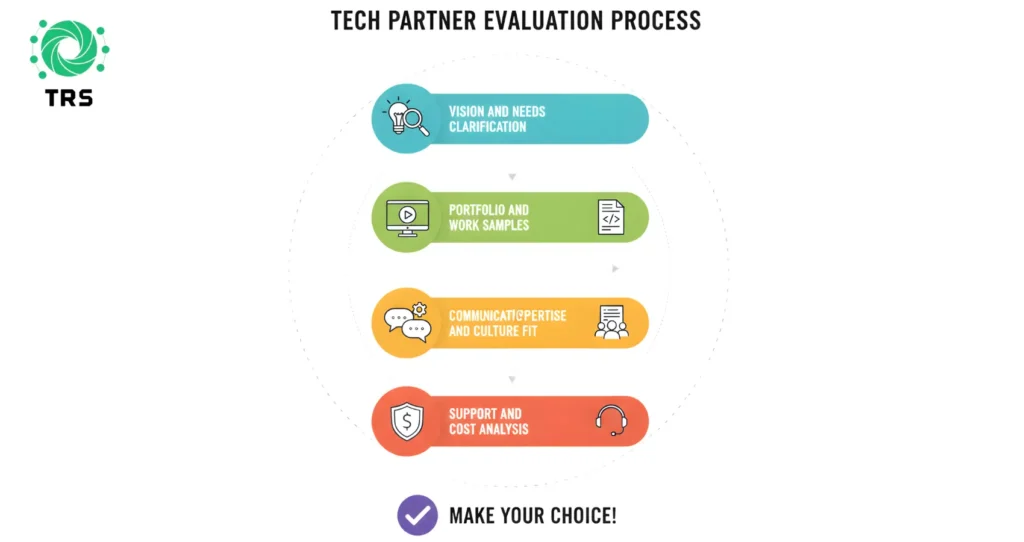
Step 1: Get Clear About Your Vision and Needs
Before searching for a partner, be clear about what you want. Many startups rush into hiring without a plan, then struggle with miscommunication later. Even if your idea is evolving, you should have foundational clarity.
Make a simple requirement outline:
• What is the product and who will use it
• Core features for the first release
• Technology preferences if any
• Budget and expected development timeline
• Long-term support expectation
You do not need a full technical document. A well-defined overview is enough to start productive discussions with potential partners. For guidance on building a focused launch quickly, see why building an MVP in 30 days can be practical and effective.
Step 2: Check Portfolio, Not Just the Website
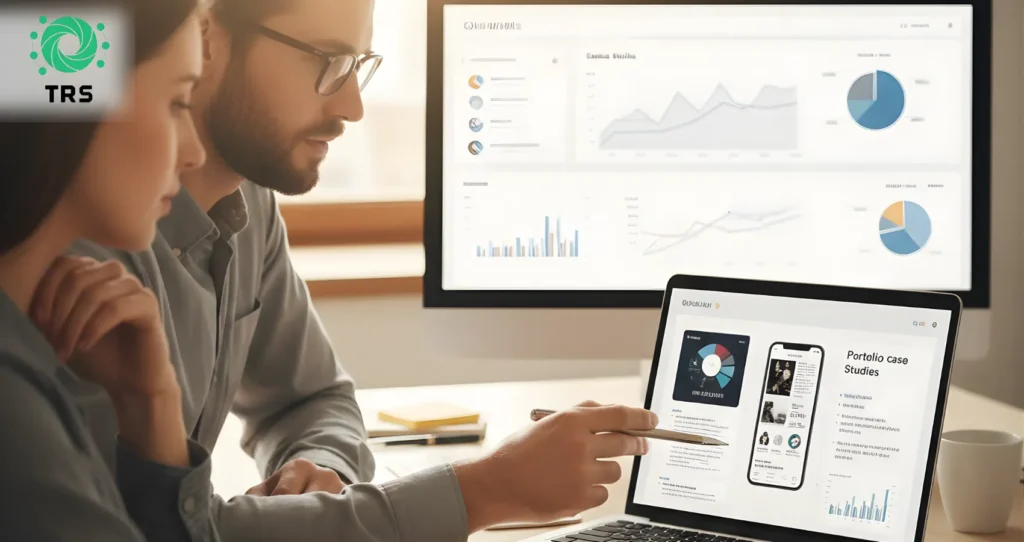
Every agency will claim they are the best. You need proof. Real output matters more than fancy branding.
While reviewing portfolio, look for:
• Similar projects handled earlier
• Live product links and case studies
• Outcomes achieved, not just screenshots
• Complexity handled in earlier builds
• Retained long-term clients
If they have worked on projects like yours, they will understand your challenges much faster.
Try asking:
“Can you show us a product you have maintained for more than one year?”
Long-term maintenance experience is a strong indicator of capability. Also pay attention to examples of UI UX Design in their portfolio because it reflects how they think about product experience, not just code.
Step 3: Evaluate Technical Expertise Deeply
Anyone can list tech stacks on a website. What matters is how well they solve problems with those tools.
During initial calls, notice:
• Do they understand architecture needs, or only speak about coding
• Are they able to recommend better approaches
• Can they explain technology choices in simple language
• Do they ask deep questions rather than blindly agreeing
A professional tech partner plans scalable systems. They do not just build features but think about performance, user experience, storage, APIs, data flow and future expansion.
Step 4: Assess Communication Style
Long-term collaboration survives on communication. You should feel comfortable discussing ideas, changes, feedback and even problems. If communication is weak, misunderstandings build up, deadlines stretch and cost increases.
Observe:
• How quickly they respond
• Do they use proper project management tools
• Is reporting structured or casual
• Are meeting summaries and timelines shared clearly
• How do they handle feedback
A good development partner will keep everything transparent. You should never feel like you need to chase updates.
Step 5: Understand Their Development Process
Many businesses face chaos in development because the team has no structured workflow. A well-organized partner uses a defined process from planning to deployment.
Ideally, they should follow:
• Sprint based development (weekly or bi-weekly)
• Design and feature approval before development
• QA testing before pushing to production
• Code reviews for quality control
• Version control and documentation
When process is clear, output becomes predictable.
Step 6: Evaluate Post-Launch Support and Maintenance
Product launch is not the end. It is the beginning of real work. You will need bug fixes, updates, new features, server monitoring, security patches and performance enhancements.
Confirm:
• How do they provide maintenance
• Is support included or separately charged
• What is the SLA time for urgent issues
• How often do they release updates
• Will they assign a dedicated team for long-term support
A reliable partner stays with you after launch, not just during development.
Step 7: Compare Cost Based on Value, Not Price
Cheapest rarely means best. Many companies choose low rates, then end up spending more on fixes, redesign and re-development later. Instead of only comparing prices, evaluate what value you receive.
Consider:
• Experience vs. cost
• Team size and availability
• Quality of deliverables
• Documentation and support
• Communication discipline
Paying a little more is often cheaper in the long run if quality is strong.
Step 8: Request a Pilot Project First
Before signing a long contract, request a smaller test task. This could be:
• A sample UI screen design
• A minor module of your app
• Bug fixing task
• MVP feature prototype
A real partner will happily accept small work to prove capability. It is the easiest way to evaluate quality and communication without risk. For related reading on managing outsourced development efficiently, check this resource: https://trsols.com/outsource-software-development-for-startups/
Step 9: Check Cultural Compatibility
Long-term development is not only technical. It is collaborative. If values and work culture do not match, friction builds later
Look for alignment in areas like:
• Openness to feedback
• Work accountability
• Problem solving attitude
• Deadline respect
• Transparency in challenges
You need someone who treats your product seriously, not casually.
Step 10: Consider Long-Term Vision Alignment
A tech partner should understand your growth goals. If they only focus on immediate tasks and ignore scalability, architecture may fail once users increase.
Good partners think ahead and guide you like:
“We should build this module in a scalable structure so future upgrades remain easy.”
That is the mindset you want.
Final Thoughts
Choosing the right tech partner is not a one-call decision. It needs evaluation, communication, comparison and testing. But once you find the right one, the partnership can speed up development, reduce stress, and take your product to a new level. A great tech partner will not just build what you ask. They will help you build what is right. Take your time, evaluate wisely, and trust the team that aligns with your vision, communicates clearly, delivers consistently, and supports your growth long term.