

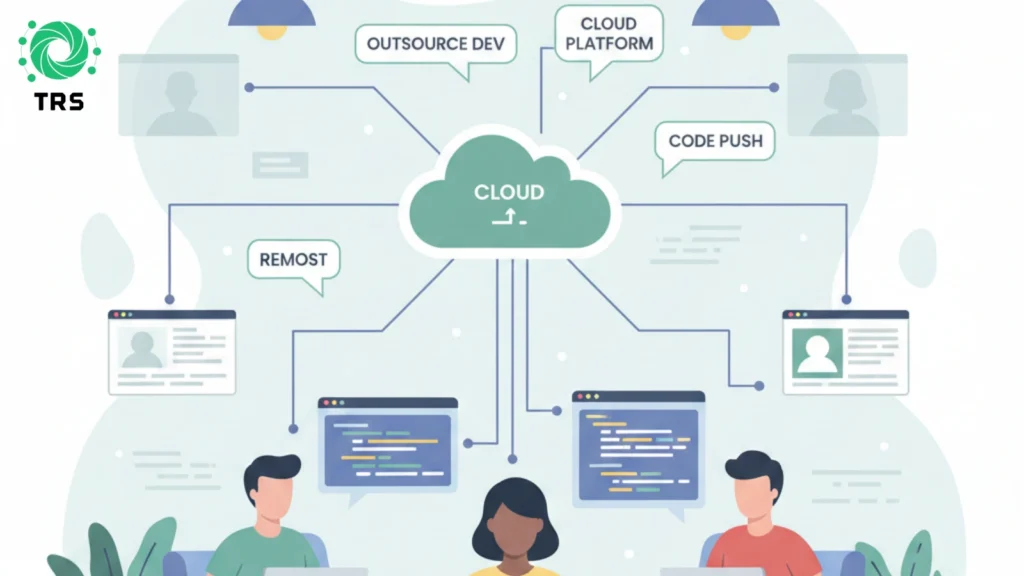
Launching a startup is exciting, but it also comes with responsibility, budget pressure, and countless decisions. One major challenge new founder face is building a software product while keeping expenses under control. Hiring an in-house development team can cost thousands of dollars per month. Office space, HR, training, and salaries further make things expensive. That is why many startups today prefer outsourcing software development. The smart part is not outsourcing itself, but doing it strategically so the business does not overspend.
Outsourcing Software Development allows startups to access professional developers, designers, QA testers, cyber security specialists, DevOps engineers, project managers and technology experts without maintaining a full internal team. The key is to plan, manage, and execute outsourcing correctly. When done the right way, startups can save up to 60 percent of the development cost and still build high performing digital products and custom solutions.
This blog explains everything from preparation to execution, including tips, mistakes to avoid, how to find the right agency or freelancer, how to keep development cost low, and how startups can scale without financial risk. The goal is to guide you step by step, realistically and professionally.
Why Outsourcing Software Development is a Smart Move for Startups
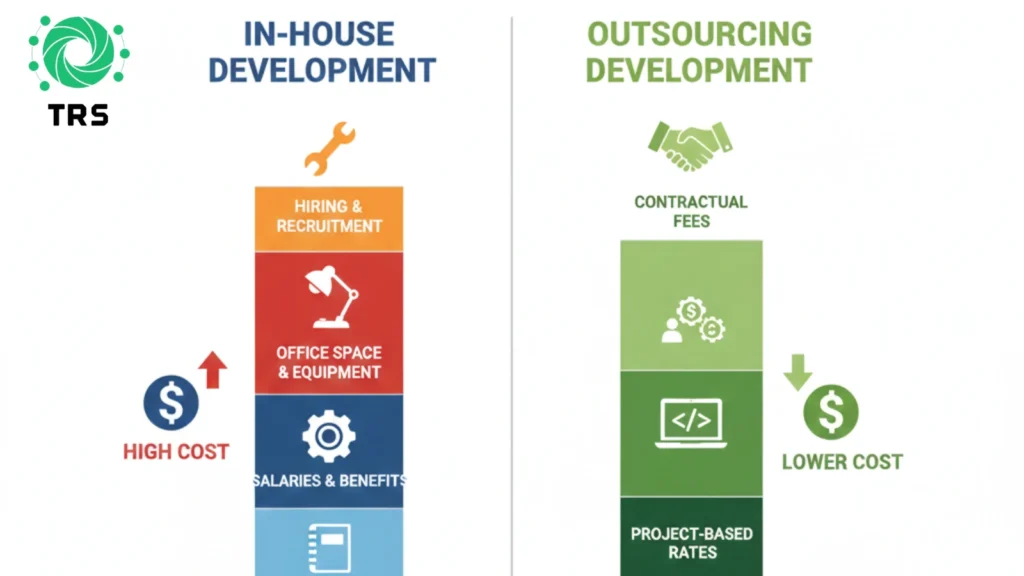
Building software is not just writing code. It includes UI UX planning, backend and frontend architecture, cloud setup, database handling, security implementation, testing, deployment, and maintenance. For an early stage startup, hiring full time professionals for each role is expensive. Outsourcing gives access to experienced talent based on workload instead of salaried positions. You pay for what you use.
Startups also get access to modern tools, frameworks, and global expertise. Outsourcing companies often have ready-made processes, development models, sprint systems, and QA methods. Instead of wasting time building internal teams, founders can focus on marketing, growth, funding, and scaling.
In competitive markets, launching fast matters more than building slow and perfect. Outsourcing speeds up development, reduces risk, and keeps capital safe for operations.
How to Outsource Software Development Without Overspending
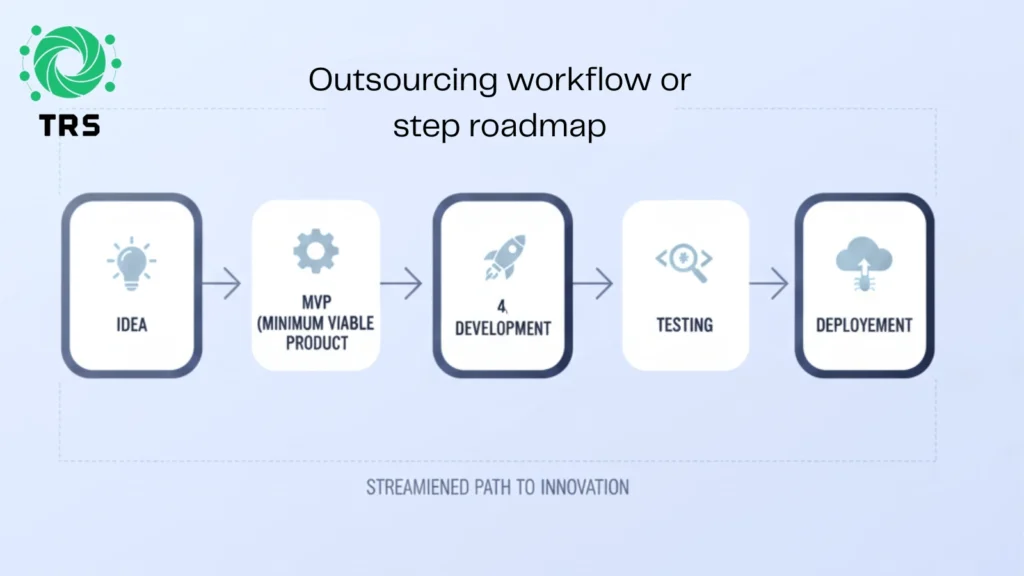
Every startup has one question before outsourcing. How to save money while still receiving quality work. The answer lies in proper planning. The more clearly you know your requirements, the less revisions you will need, and the lower your development cost becomes.
Below is a complete roadmap.
Step 1. Define Your Requirements Clearly
Before approaching any developer or company, you must know what you want to build. Many founders start outsourcing without clarity and end up spending more money due to continuous changes. Create a Written Document for your product vision.
Include
- what problem your app solves
- who the target users are
- core features
- future expansion ideas
- must have and good to have functions
- timeline expectation
- design inspiration if available
Write everything on paper or document so the development team will understand your project quickly. Clear requirements reduce misunderstandings and prevent unnecessary cost.
Step 2. Start Small with an MVP Instead of Full Product
MVP means Minimum Viable Product. It is a basic version of your software with only essential features. Building a complete product in the first attempt is costly and risky. Instead, build MVP first, test market response, gather user feedback, and then invest more in development.
This approach protects startups financially. You spend less initially and expand only when results give confidence. Most successful companies like Uber and Airbnb started as MVP.
Step 3. Choose the Right Outsourcing Model
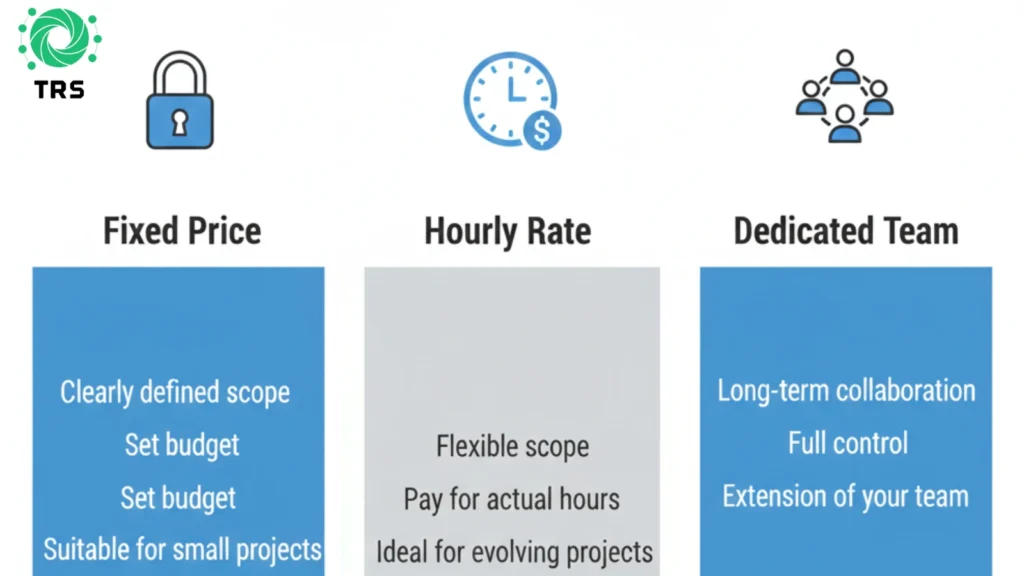
There are different outsourcing models and each works for different needs. Choosing the correct one helps control cost.
Fixed Price Model
Best for projects with clearly defined scope. You agree to a price before development starts. No surprise costs.
Hourly or Time Based Model
Suitable for flexible and ongoing projects. You pay based on hours spent.
Dedicated Development Team
You rent a complete development team from an outsourcing company. Useful for long term products.
When budget is tight, fixed price for early phases is usually safest. Once product grows, you can switch to hybrid or dedicated team.
Step 4. Select the Right Outsourcing Partner
This step is extremely important. Choosing the wrong agency will waste time and money. When selecting a partner, evaluate skill, experience, portfolio, communication style, and support policy.
Practical ways to evaluate
- Check previous work and case studies
- Read client reviews from Google, Clutch or Upwork
- Take technical interview or coding test
- Ask about development tools like Git, Jira, Agile
- Discuss timeline, contract, delivery system
- Check if they provide maintenance and updates
Good communication saves cost. Choose a partner who understands your business model, not just coding.
Step 5. Prioritize Features That Really Matter
Many founders overload MVP with too many features. More features means more development hours which increases cost. Instead, focus only on features that help launch the product.
- Ask yourself
- Is this feature necessary for version one
- Will users use it initially
- Can it be added later
This simple approach can reduce cost by more than 40 percent.
Step 6. Use Agile Development Practices
Agile model helps startups work in sprints. Each sprint builds small deliverables. You see progress every one or two weeks. It prevents major rework and cost waste. Agile also allows flexibility to modify features based on user feedback.
Rather than building everything together, you build step by step. That means you can stop development anytime if results are not satisfactory, thus saving budget.
Step 7. Maintain Transparent Communication
Clear communication is the backbone of successful outsourcing. Always maintain weekly meetings, progress updates, demos, and documentation. Use tools like Slack, Trello, Asana or Jira.
If you don’t communicate properly, misunderstandings will lead to rework and increased cost. Keep everything transparent. Ask questions, give feedback, and request weekly builds for testing.
Step 8. Use Readymade Components and Frameworks
Custom development for every feature increases cost. Instead, use available libraries, templates, APIs, and UI kits where suitable. Many functions like login, payment gateway, authentication, admin dashboards already have ready modules. Using them reduces development time and cost.
Step 9. Sign NDA and Contract
Security is equally important. Always sign NDA (Non-Disclosure Agreement) before giving access to your idea. NDA protects business concept, code ownership, and intellectual property.
Contract must include
- scope of work
- budget
- deadlines
- payment milestones
- deliverables
- revision limit
- support duration
- ownership rights
A clear contract prevents hidden charges later.
Step 10. Track Progress and Test Frequently
Never wait until the end to see results. Test intermediate builds. Early bug detection is cheaper. Final stage errors cost more to fix. Create test checklist for UI functionality, responsiveness, performance, integration and security.
A tested product reduces post launch expense.
Step 11. Plan Long Term Maintenance Earlier
Software needs updates, bug fixes, and feature improvements. Maintenance should not surprise your budget. Discuss maintenance plan earlier with outsourcing partner. Decide monthly support cost, update cycle, and security audit schedule.
Startups who plan maintenance early prevent future overspending.
Cost Saving Strategies for Outsourcing Software Development
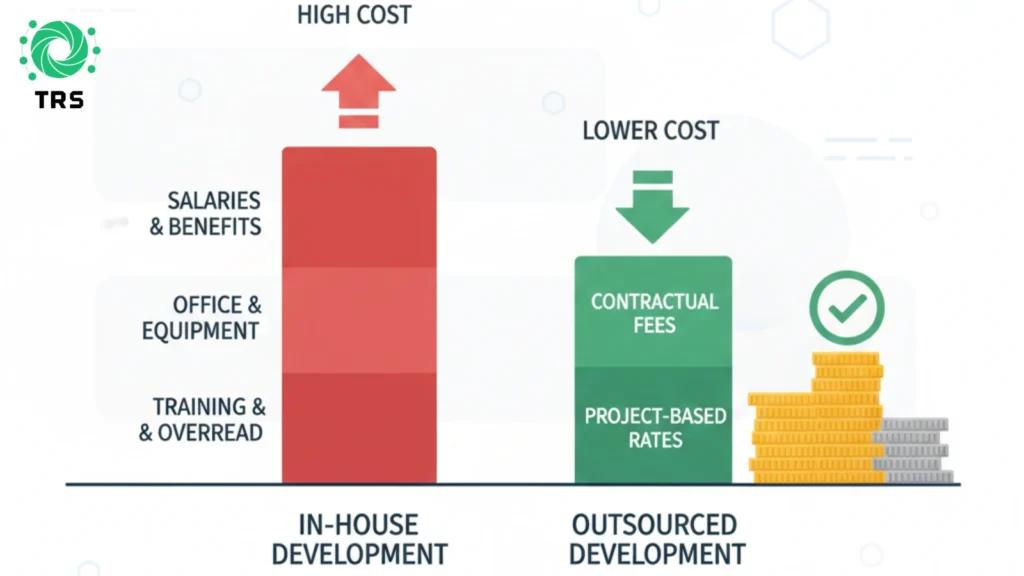
Every entrepreneur wants to spend wisely. Here are realistic cost saving tips without compromising quality.
- Choose backend languages with fast development capability such as Node.js or Python
- Use open source tools and cloud solutions like AWS and Firebase
- Avoid creating native apps for both iOS and Android in MVP stage. Build one or use Flutter React Native cross platform
- Document everything to avoid confusion
- Keep communication organized and short
- Don’t chase perfection initially
- Launch fast, then improve based on feedback
These practical decisions directly reduce overall cost.
Common Mistakes Startups Make While Outsourcing
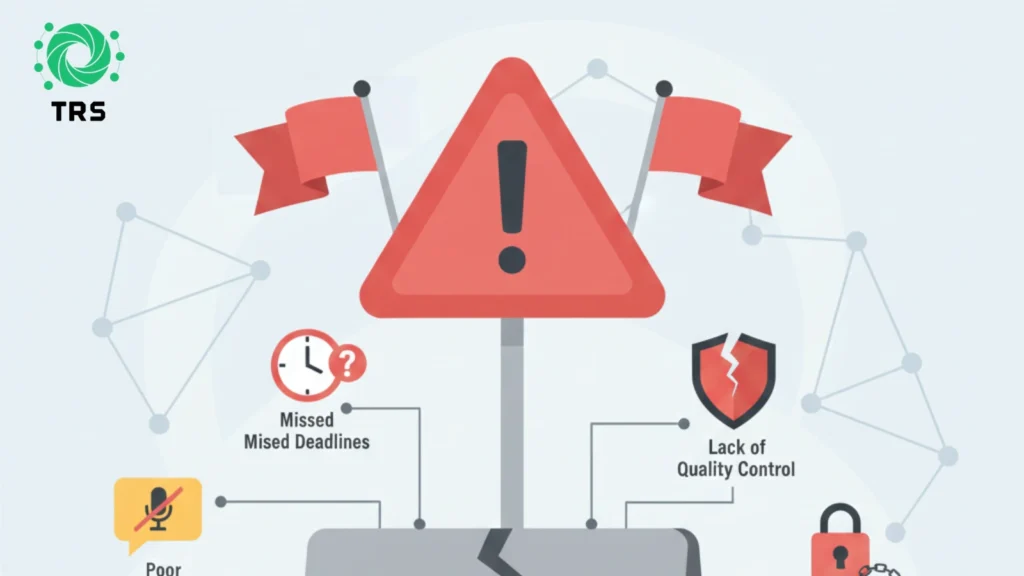
Avoiding mistakes is equal to saving money. Many startups repeat same errors which lead to delay and overspending.
- Starting without requirement clarity
- Choosing extremely cheap developers and later fixing low quality code
- Skipping contract and agreeing verbally
- Not testing until end
- Changing scope repeatedly
- Poor communication
- Expecting enterprise level features in MVP budget
Understanding these mistakes keeps budget safe.
Realistic Example of Outsourcing with Budget Control
Imagine a startup that wants to build an eCommerce app for handmade products. Instead of full product, they decide to build MVP with user login, product listing, search, cart, and checkout.
They outsource software development to a mid-level company using fixed price model. They finalize requirements, share reference UI, and sign contract. They build using ready APIs for payment gateway and admin dashboard template instead of custom code from scratch. Development team works in sprints and shares weekly demos. The product launches within three months with controlled cost.
Now, after launch, users request Wishlist and seller dashboard features. The startup expands features later without financial pressure. This is smart outsourcing.
How Outsourcing Software Development Supports Business Growth
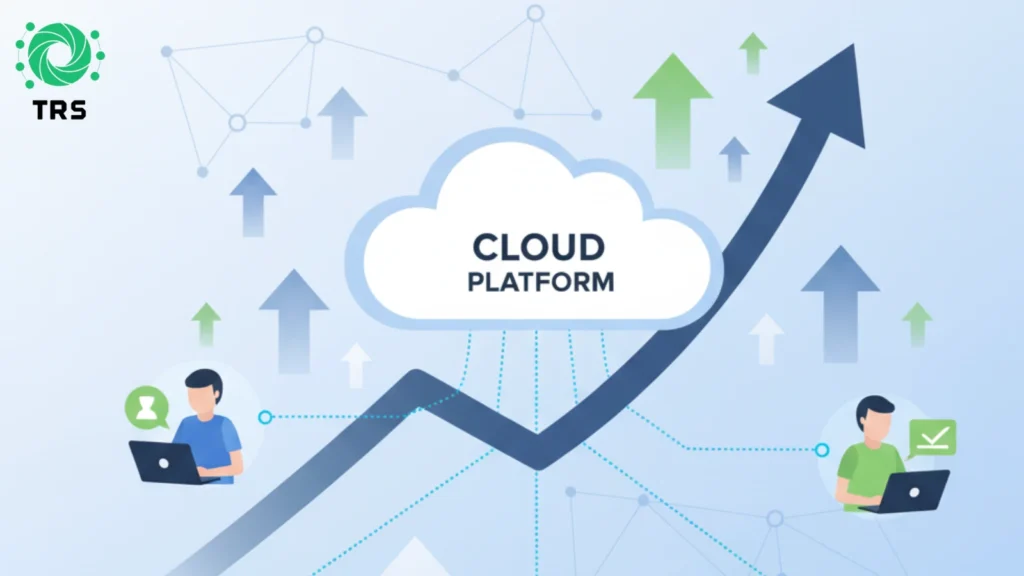
Outsourcing not only saves cost but increases scalability. As startup grows, you can expand development team anytime without hiring full time. No onboarding delay, no infrastructure cost. You can add specific experts only when needed such as AI engineers, blockchain developers, UI designers, DevOps or QA automation.
This flexibility allows startups to use resources efficiently. When workload decreases, you can pause or reduce team size. This control is impossible with in-house employees where you must pay salaries every month.
When Custom Software Development Becomes Essential
Some products need custom solutions especially when targeting unique features or large user base. Custom Software Development offers personalization, better performance, tailored architecture and security. Use outsourcing to build custom solutions in phases.
architecture and security. Use outsourcing to build custom solutions in phases.
- Phase one MVP
- Phase two premium features
- Phase three automation
- Phase four scaling and integration
Building through phases manages cost and improves product with real data.
Conclusion
Outsourcing Software Development is one of the smartest decisions for startups when done with planning. It reduces cost, speeds up launch, gives access to global talent, and minimizes risk. The goal is not just outsourcing, but outsourcing wisely. Define the requirement clearly, build an MVP first, choose the right model, pick a skilled team, prioritize core features, stay involved with communication, use agile sprints, and track everything. Start small but think big. Focus on solving real problem, gather user feedback, improve the product and expand gradually. Smart outsourcing can transform a startup from idea to revenue revenue-generating business without financial burden. If your startup is planning to build an app, website, SaaS, marketplace or custom digital product, outsourcing can help you achieve goals cost effectively while allowing you to maintain focus on growth.