

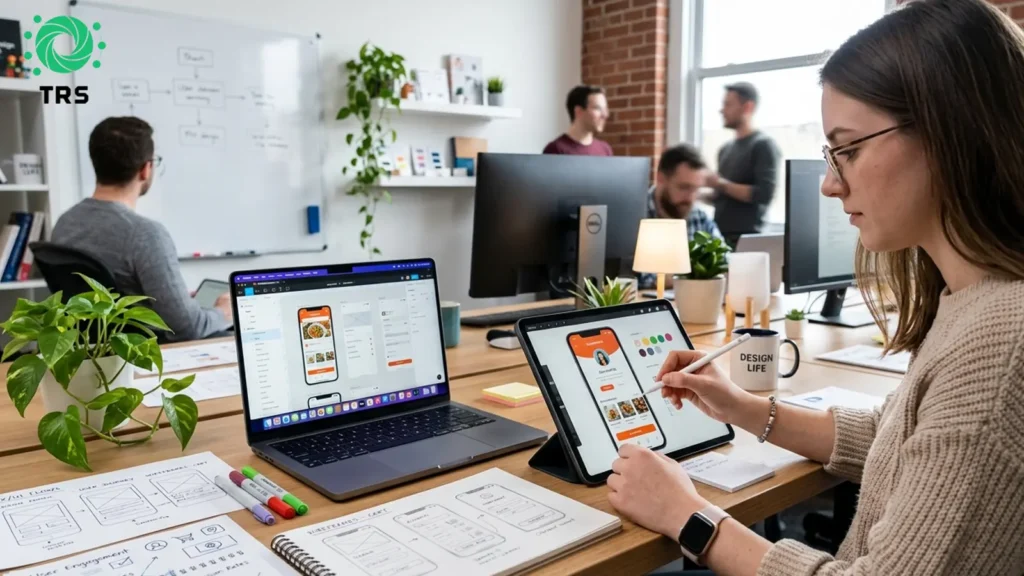
In today’s digital age, the success of a mobile application is not just determined by its functionality but also by the experience it delivers to its users. Businesses looking to develop a mobile app often invest heavily in Mobile App Development Services, yet many overlook one crucial element that can make or break an app: effective UI UX design services. A well-designed app can increase user engagement, drive conversions, and improve brand loyalty. Conversely, a poorly designed app, regardless of its functionality, risks being ignored or deleted by users.
Understanding UI/UX in Mobile Apps
UI (User Interface) design focuses on the visual elements of an app—buttons, icons, typography, color schemes, and layout. It’s about creating a visually appealing interface that communicates the brand identity clearly. UX (User Experience) design, on the other hand, centers on how users interact with the app. It involves the entire journey of a user from onboarding to completing a task, ensuring the process is seamless, intuitive, and enjoyable.
Integrating robust UI UX design services into your mobile app development services certfies that the app does not just function properly but is also easy to navigate and aesthetically appealing. This combination is critical because modern users have high expectations, and a single confusing interface can result in app abandonment.
Why UI/UX Design Services Are Critical in Mobile App Development
- Enhanced User Engagement
Users are drawn to apps that are visually attractive and simple to use. When you combine UI UX design services with your Mobile App Development Services, the app becomes more engaging. Elements such as intuitive navigation, logical flow, and visually appealing interfaces encourage users to spend more time on the app. - Improved Usability
Even the most feature-rich app fails if users struggle to navigate it. UX designers focus on usability testing, user behavior analysis, and feedback to certify that every element of the app contributes to a smooth user experience. By integrating UI UX design services, developers can anticipate user needs and reduce friction points. - Increased Conversions and Retention
Apps designed with a clear understanding of user behavior tend to convert better. Whether it’s signing up for a service, making a purchase, or subscribing to notifications, every action is guided by a thoughtful UX strategy. Businesses that invest in Mobile App Development Services with strong UX support often see higher retention rates, as users are more likely to continue using an app that feels intuitive and satisfying. - Brand Differentiation
The mobile app market is highly competitive. High-quality UI UX design services can help your app stand out by creating a unique look and feel that aligns with your brand identity. Consistency in design across all screens of the app reinforces brand recognition and builds trust with users.
Key Components of Effective UI/UX in Mobile App Development Services
When considering UI UX design services as part of Mobile App Development Services, it’s important to understand the core elements that contribute to an exceptional app experience:
- User Research: Understanding the target audience is the first step. UX designers conduct surveys, interviews, and usability tests to gather insights on user behavior and preferences.
- Wireframing and Prototyping: Wireframes act as the blueprint for the app, outlining the structure and flow of screens. Prototypes provide a working model for testing user interactions before final development.
- Visual Design: UI designers focus on creating a visually appealing interface. Elements like color schemes, typography, and iconography should reflect the brand and enhance readability.
- Interaction Design: This involves designing how users interact with the app, including gestures, button clicks, and transitions. Smooth interactions improve the overall user experience.
- Usability Testing: Continuous testing certifies that the app meets user expectations. Feedback is incorporated into revisions to optimize performance and satisfaction.
Integrating UI/UX Design into Mobile App Development
Many businesses treat design and development as separate processes, which can lead to misalignment and a fragmented user experience. The best Mobile App Development Services integrate UI UX design services from the beginning. This approach confirms that developers build an app that not only functions well but also delivers an intuitive and engaging user experience.
For example, designers might recommend simplifying the onboarding process based on user research, while developers implement the necessary code to support smooth animations and transitions. Regular collaboration between designers and developers ensures that design elements are feasible and that functionality supports the intended user experience.
The Business Impact of UI/UX Design
Investing in UI UX design services is no longer optional; it’s a strategic decision that directly impacts business outcomes. Here’s how it benefits companies leveraging Mobile App Development Services:
- Higher User Retention: Apps with poor UX lose users quickly. Thoughtful UX design encourages users to return regularly.
- Better App Store Ratings: Positive user experiences translate into higher ratings and reviews, improving app discoverability.
- Reduced Development Costs: Early testing and design optimization minimize costly revisions during development.
- Competitive Advantage: A well-designed app sets a business apart from competitors who focus solely on functionality.
Common Mistakes to Avoid in UI/UX for Mobile Apps
Even with professional UI UX design services, certain mistakes can undermine the app’s success:
- Overcomplicating the Interface: Too many features or cluttered screens confuse users. Keep it simple.
- Ignoring Platform Guidelines: iOS and Android have different design conventions. Adhering to platform-specific standards is critical.
- Neglecting Accessibility: Inclusive design ensures that users with disabilities can navigate and interact with the app.
- Skipping Usability Testing: Assumptions about user behavior can lead to poor experiences. Always test with real users.
Future Trends in UI/UX for Mobile App Development
The field of UI UX design services is constantly evolving. Here are some trends shaping Mobile App Development Services in the coming years:
- Voice User Interfaces (VUI): Voice commands are becoming more prevalent, and apps need intuitive voice interaction capabilities.
- Augmented Reality (AR) Integration: AR features require seamless UI/UX integration to feel natural and immersive.
- Personalization: AI-driven interfaces provide tailored experiences based on user preferences.
- Minimalist Design: Clean and simple designs are favored for faster navigation and lower cognitive load.
Conclusion
The role of UX/UI design in Mobile App Development Services cannot be overstated. While robust functionality is essential, an app’s visual appeal and usability ultimately determine its success. By investing in professional UI UX design services, businesses can create apps that engage users, build brand loyalty, and achieve higher conversions. Integrating design into the development process from the beginning ensures that the final product is not only technically sound but also delightful for users to navigate.