

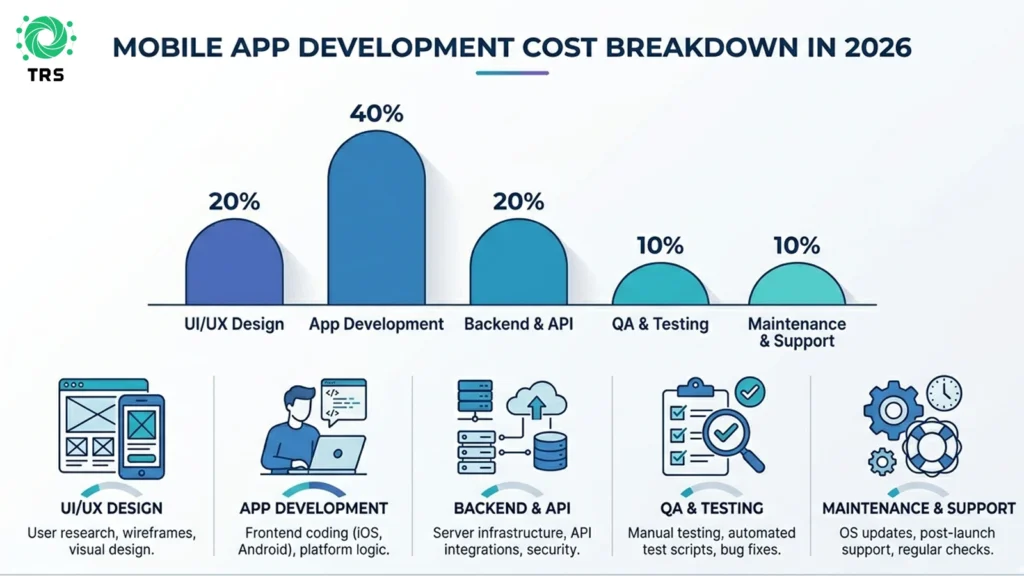
In today’s fast-evolving digital landscape, mobile applications have become a critical asset for businesses aiming to stay competitive. Whether you’re a startup or an established enterprise, investing in Mobile App Development is no longer optional—it’s a strategic necessity. However, one of the most common questions business owners ask is: What is the real cost of mobile app development in 2026?
The answer isn’t straightforward. App development costs vary depending on several factors, including complexity, features, platform, and the development team you choose. In this guide, we’ll break down the real costs, hidden factors, and smart ways to budget for your mobile app project.
Why Mobile Apps Are Essential for Businesses in 2026
Mobile apps are now at the center of digital transformation. Businesses use them to improve customer engagement, streamline operations, and increase revenue. From e-commerce platforms to service-based apps, Mobile App Development plays a key role in building a strong digital presence.
Additionally, mobile apps often integrate with Web App Development and backend systems, creating a seamless ecosystem that enhances user experience and operational efficiency.
Key Factors That Influence Mobile App Development Cost
Understanding the cost structure begins with knowing what factors impact pricing. Here are the most important ones:
1. App Complexity
The complexity of your app significantly affects the cost.
- Basic Apps (e.g., calculators, simple tools): $5,000 – $20,000
- Medium Complexity Apps (e.g., booking apps, social features): $20,000 – $80,000
- Complex Apps (e.g., marketplaces, fintech apps): $80,000 – $250,000+
Complex apps often require advanced integrations, APIs, and scalable architecture similar to SaaS Development, which increases the overall investment.
2. Platform Choice (iOS, Android, or Both)
Choosing the right platform also impacts costs:
- Single Platform (iOS or Android): Lower cost
- Cross-Platform Development: Moderate cost
- Native Development for Both: Higher cost
Businesses aiming for broader reach often invest in both platforms, which can nearly double the cost of Mobile App Development.
3. Design and User Experience (UI/UX)
A well-designed app is crucial for user retention. Custom UI/UX design can cost anywhere from $5,000 to $30,000 depending on complexity.
Modern businesses prioritize intuitive design, often aligning mobile interfaces with their Web App Development platforms for consistency across devices.
4. Features and Functionality
The more features your app includes, the higher the cost. Common features include:
- User authentication
- Payment gateways
- Push notifications
- Real-time chat
- GPS tracking
- AI-based recommendations
Advanced features like AI or machine learning can significantly increase costs, especially when integrated with systems similar to SaaS Development platforms.
5. Development Team Location
The cost of hiring developers varies by region:
- North America/Europe: $80 – $150/hour
- Eastern Europe: $40 – $80/hour
- Asia (including Pakistan & India): $20 – $50/hour
Outsourcing Mobile App Development to cost-effective regions can help businesses save significantly without compromising quality.
6. Backend Infrastructure
Every mobile app needs a backend to manage data, users, and integrations. Backend development costs depend on scalability and performance requirements.
Apps with large user bases often rely on cloud-based solutions, similar to SaaS Development, which adds to ongoing operational costs.
Hidden Costs of Mobile App Development
Many businesses underestimate the hidden costs associated with app development. Here are some expenses you should consider:
1. Maintenance and Updates
After launch, apps require regular updates, bug fixes, and performance improvements. Maintenance typically costs 15%–25% of the initial development cost annually.
2. App Store Fees
- Apple App Store: $99/year
- Google Play Store: $25 one-time fee
These are minor but essential costs in the overall Mobile App Development budget.
3. Third-Party Integrations
APIs for payment gateways, maps, analytics, and messaging services often come with subscription fees. These integrations are also common in Web App Development and can add recurring costs.
4. Security and Compliance
With increasing data privacy regulations in 2026, businesses must invest in security measures such as:
- Data encryption
- Secure authentication
- GDPR compliance
These features are critical, especially for apps handling sensitive user data.
Cost Breakdown by App Type
Here’s a general estimate of development costs based on app categories:
| App Type | Estimated Cost |
|---|---|
| Informational App | $10,000 – $25,000 |
| eCommerce App | $30,000 – $120,000 |
| On-Demand App (e.g., Uber-like) | $50,000 – $200,000 |
| Social Media App | $70,000 – $250,000+ |
| Enterprise App | $100,000 – $300,000+ |
Enterprise-level apps often combine Mobile App Development, Web App Development, and SaaS Development strategies for maximum scalability and performance.
How to Optimize Your App Development Budget
While app development can be expensive, there are smart ways to manage costs:
1. Start with an MVP (Minimum Viable Product)
Instead of building a full-featured app, start with a basic version. This allows you to test your idea and gather user feedback before scaling.
2. Choose Cross-Platform Development
Frameworks like Flutter and React Native reduce development time and cost by allowing a single codebase for multiple platforms.
3. Prioritize Essential Features
Focus on features that provide real value to users. Avoid unnecessary functionalities in the initial phase.
4. Outsource Strategically
Hiring experienced developers from cost-effective regions can significantly reduce your Mobile App Development expenses.
5. Integrate with Existing Systems
If your business already uses Web App Development or SaaS Development solutions, integrating your mobile app with these systems can save time and resources.
Future Trends Impacting App Development Costs in 2026
Technology continues to evolve, influencing development costs and strategies:
1. AI and Automation
AI-powered features like chatbots, personalization, and predictive analytics are becoming standard but increase development costs.
2. 5G Technology
Faster connectivity allows for more advanced app features, such as real-time streaming and AR/VR experiences.
3. Cloud-Based Development
Cloud infrastructure, commonly used in SaaS Development, enables scalability but comes with ongoing costs.
4. Increased Focus on Security
With rising cyber threats, businesses must invest more in security, adding to the total cost of Mobile App Development.
Is Mobile App Development Worth the Investment?
Despite the costs, mobile apps offer significant ROI when executed correctly. Benefits include:
- Increased customer engagement
- Improved brand visibility
- Higher revenue opportunities
- Better data insights
When combined with Web App Development and SaaS Development, mobile apps create a powerful digital ecosystem that drives long-term business growth.
Final Thoughts
The real cost of mobile app development in 2026 depends on your business goals, app complexity, and development strategy. While initial investments can range from a few thousand to hundreds of thousands of dollars, the long-term benefits often outweigh the costs. By understanding the factors involved and planning strategically, businesses can make informed decisions and maximize their return on investment. Whether you’re launching a startup app or upgrading an enterprise solution, investing in Mobile App Development is a step toward future-proofing your business. If approached correctly, your mobile app won’t just be an expense—it will be a valuable asset that drives growth, innovation, and success in the digital age.